
A Guide to Sustainable Home Renovation
Renovating a home offers a wonderful opportunity to improve both the way a space looks and how it performs. However, refurbishment projects can also generate significant waste and carbon emissions if sustainability is not considered from the outset.
A thoughtful, sustainable renovation focuses on reducing environmental impact, improving energy efficiency and creating healthier indoor environments. By reusing materials where possible, selecting responsible products and working with skilled craftsmen, it is entirely possible to transform a home while minimising its footprint.
At Pia Design, sustainability is at the heart of our design philosophy. Here are some of the key principles we consider when planning a greener home renovation.

Reuse and repurpose wherever possible
One of the most effective ways to reduce the environmental impact of a renovation is to reuse existing elements of the building.
Rather than stripping everything back to a blank shell, consider which architectural features can be preserved or repurposed. Original fireplaces, ceiling roses, internal doors and timber flooring can often be restored or relocated within the home.
Salvaging and reusing materials not only reduces waste, but also helps retain the character and history of a property.
Improve the energy efficiency of the building
Improving the performance of the building envelope is one of the most important steps in a sustainable refurbishment.
Good insulation, well-fitted windows and energy-efficient appliances all help reduce energy consumption and improve comfort. Renewable energy systems such as solar panels or alternative heating systems may also be worth considering depending on the property.
Underfloor heating can also be an efficient solution in many renovation projects. Because it distributes heat evenly across a larger surface area, it can operate at lower temperatures than traditional radiators while freeing up valuable wall space.
Choose responsible materials
The materials used in a renovation can have a significant impact on both the environment and indoor air quality.
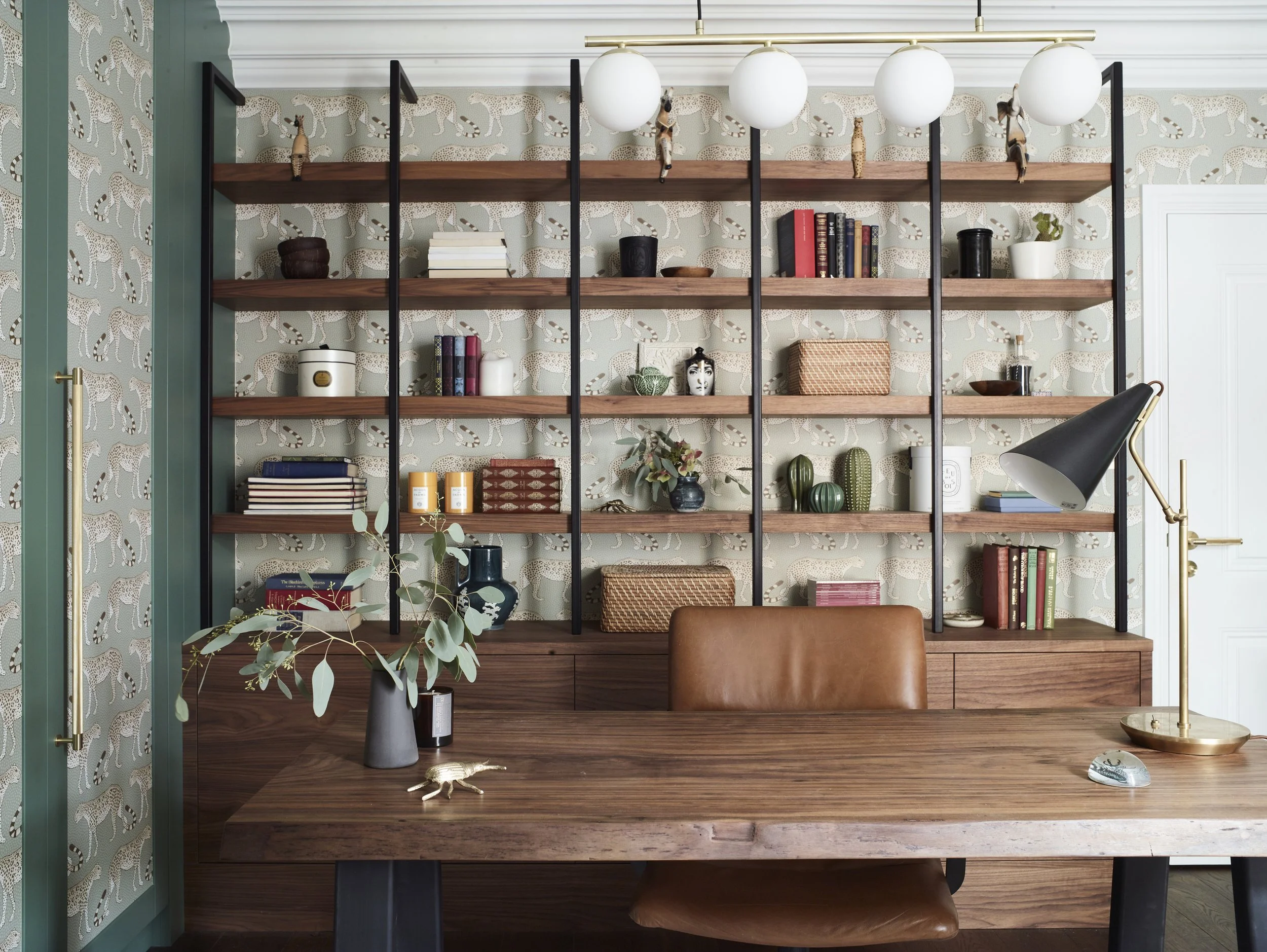
Where possible, we recommend specifying responsibly sourced timber, ideally certified by FSC or PEFC. Reclaimed timber and recycled materials can also provide character while reducing the demand for newly produced resources.
Natural materials such as wood, cork, wool, bamboo and organic cotton can help create interiors that feel warm and tactile while avoiding the synthetic chemicals often present in heavily processed materials.
Natural insulation options including sheep wool, hemp, cork, wood fibre or cellulose can offer excellent thermal performance while supporting healthier indoor environments.
Prioritise healthy interior finishes
Many conventional building products release volatile organic compounds (VOCs), which can affect indoor air quality.
Low-VOC or zero-VOC paints, natural limewash and mineral-based finishes are increasingly popular alternatives that allow beautiful interiors to be created without introducing unnecessary toxins into the home.
For wallcoverings, look for papers produced from renewable materials such as paper, cotton, hessian or jute, printed using water-based inks.
Natural plasters such as lime or clay can also improve breathability within the building fabric and contribute to healthier indoor air quality.

Reduce water consumption
Simple changes can significantly reduce water usage within the home.
Aerated taps and low-flow shower heads mix air with water to maintain good pressure while reducing overall consumption. Dual-flush toilets can also dramatically lower household water usage.
These small interventions help conserve water without affecting everyday comfort.
Explore reclaimed and salvage materials
Salvage yards and reclamation specialists can be wonderful resources when renovating sustainably.
Reclaimed doors, flooring, panelling and architectural elements can add depth and personality to a home while reducing the environmental impact of new manufacturing.
Old ceramic sinks, reclaimed timber beams or antique furniture can often be reimagined in creative ways within a new design scheme.
Equally important is ensuring that unwanted fixtures and fittings from your renovation are reused or donated wherever possible rather than sent to landfill.
Work with local makers and suppliers
Choosing local contractors, joiners and manufacturers can significantly reduce the carbon footprint associated with transporting materials and goods.
Locally sourced materials often offer a strong connection to place while supporting skilled craftspeople and regional industries.
Whenever possible, we encourage clients to consider the origin of heavy materials such as stone, tiles or timber flooring, as transport can contribute substantially to a product’s environmental impact.
Managing waste responsibly
Construction sites can generate large amounts of waste if materials are not carefully managed.
We encourage our builders to implement site waste management plans that separate materials for recycling and reuse wherever possible. Reducing single-use plastics and using reusable protection materials during construction can also help minimise unnecessary waste.
Sustainable design with a green soul
Sustainable renovation is not about perfection — it is about making better decisions wherever possible.
By combining responsible materials, thoughtful design and skilled craftsmanship, it is possible to create homes that are both beautiful and environmentally responsible.
At Pia Design, our aim is always to design interiors with a green soul: spaces that feel deeply connected to nature while supporting the health and wellbeing of the people who live in them.
If you are planning a renovation and would like guidance on creating a more sustainable home, we would be delighted to discuss your project.