
Insights
JOURNAL
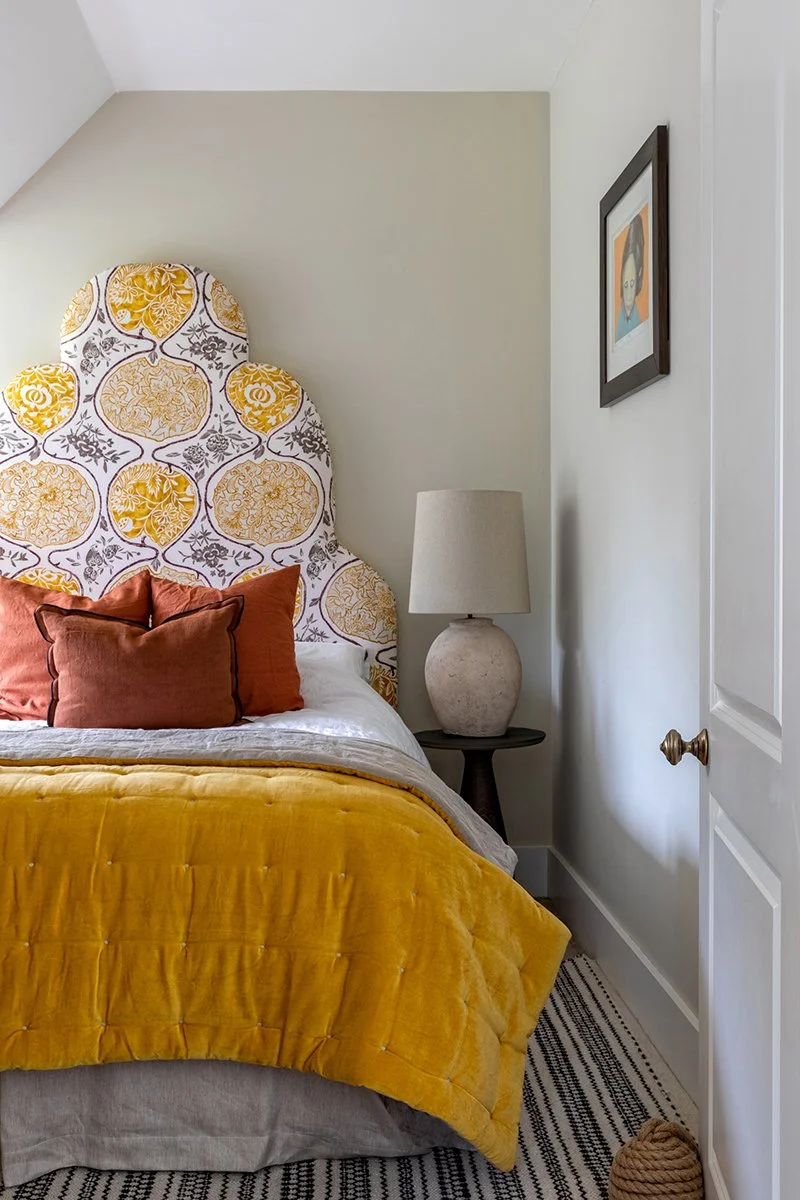
Bespoke Upholstery, Soft Furnishings & Headboards
Bespoke upholstery and soft furnishings bring a layer of softness and individuality that is difficult to achieve through off-the-shelf pieces. From sofas and headboards to cushions and lampshades, these elements are often where comfort and craftsmanship meet, and where small design decisions have a noticeable impact on the finished interior.
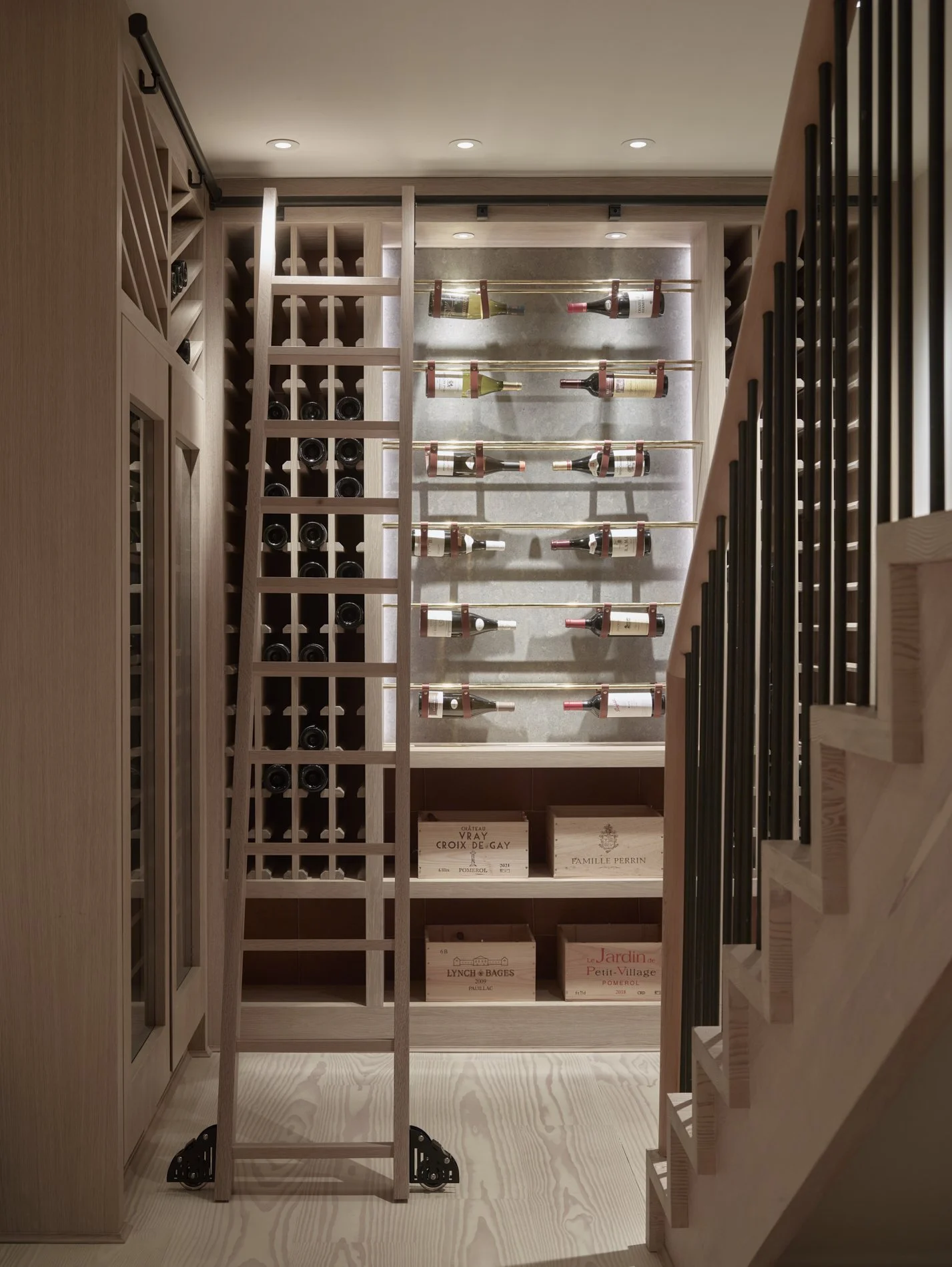
Bespoke Joinery & Kitchens
Bespoke joinery sits at the core of a well-resolved interior. Whether in a kitchen, dressing room or fitted living space, it allows each element to be designed in direct response to the architecture, rather than working around standardised components. The result is often quieter and more considered, with proportions, alignments and detailing that feel intentional rather than imposed.
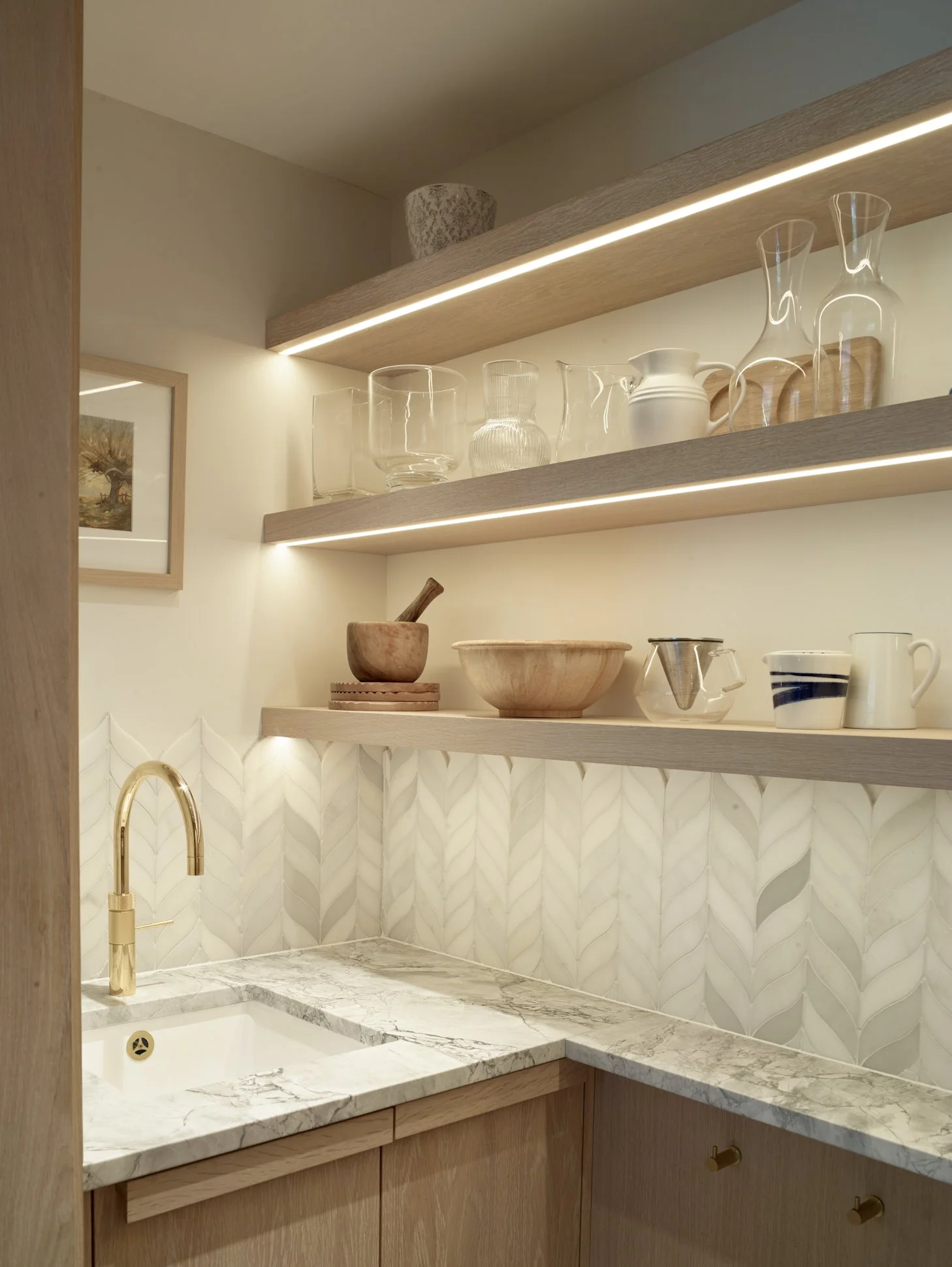
What to consider when choosing Kitchen Worktops
Worktops are among the most hard-working surfaces in a home, balancing daily use with a significant visual presence. The right choice is rarely just aesthetic; it depends on how the kitchen will be used, how much maintenance feels realistic, and how the material is expected to age over time. Some surfaces remain relatively unchanged, while others develop a patina that becomes part of the character of the space.
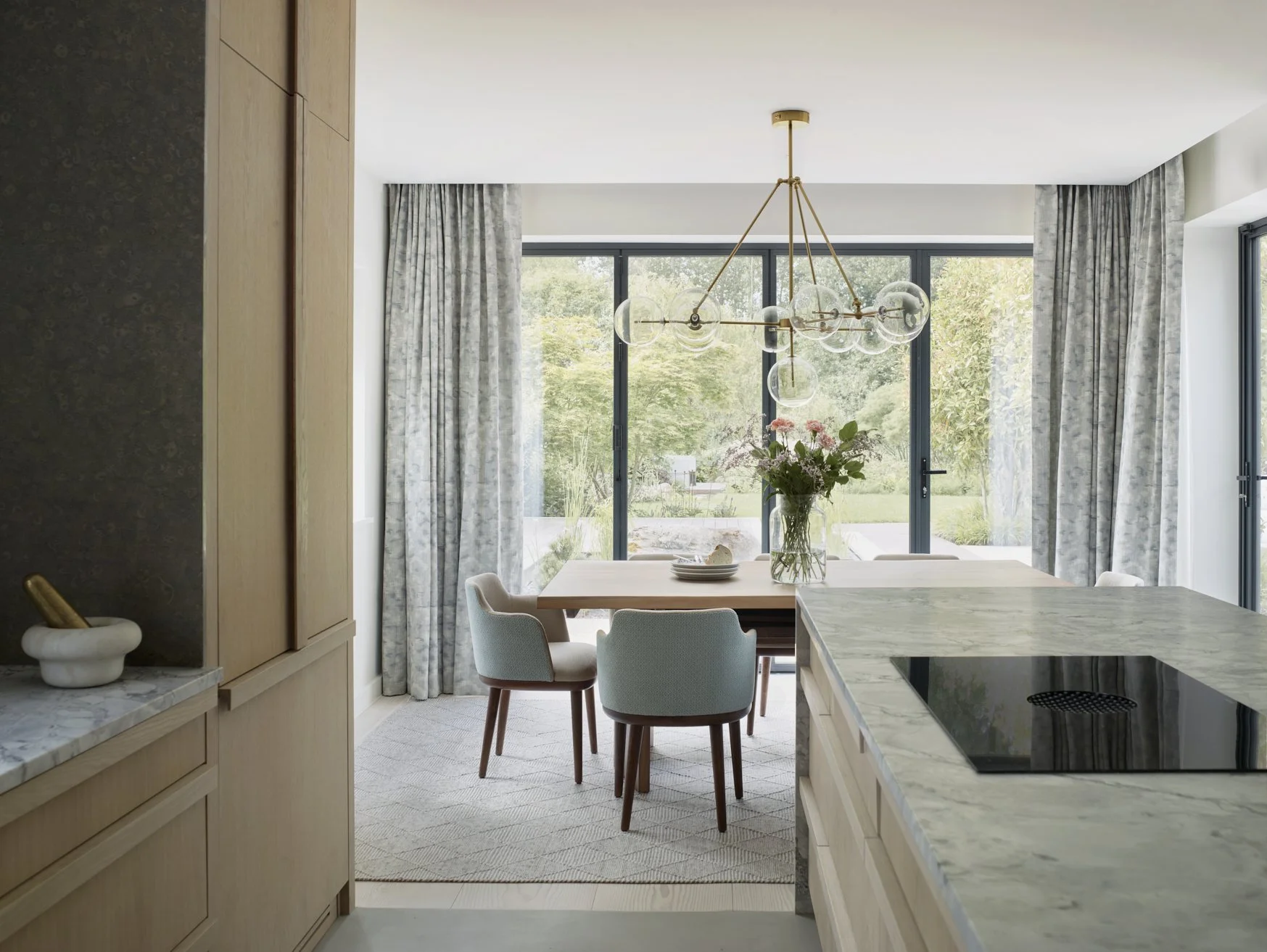
Curtain & Blind Installation: What to Expect
Well-made curtains and blinds rely as much on precise installation as they do on good design. This stage is often more involved than clients anticipate, so it’s helpful to understand the process from the outset.
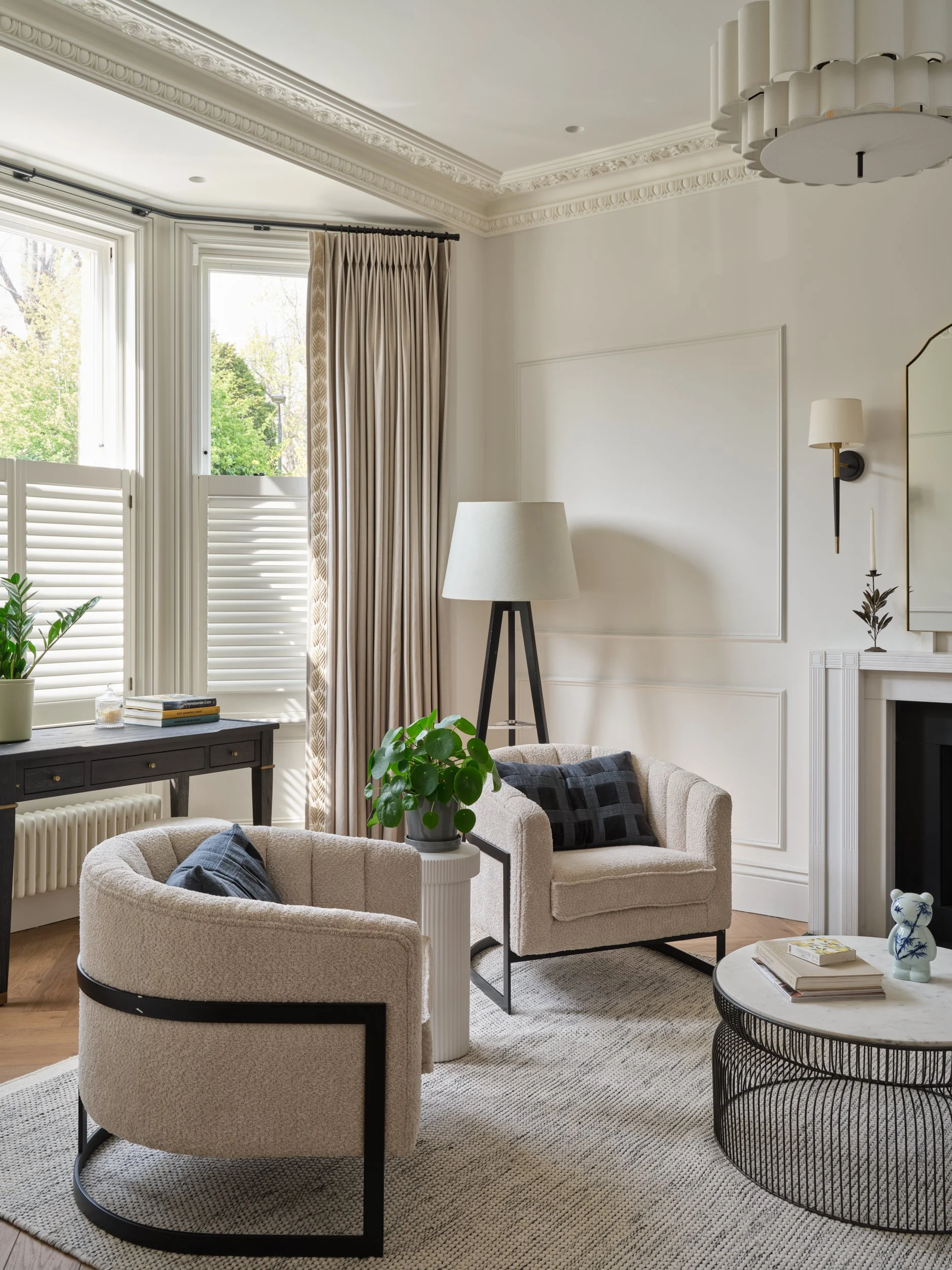
Window Dressings: Curtains, Blinds and Choosing the Right Style for Your Home
Soft furnishings and window treatments are often left as an afterthought in the budget, but good window dressings can really make or break a room and add much-needed softness to windows.
The options for window dressings can seem endless and overwhelming but this post details various pleat styles, decorative headings, fabric options and more.

Sustainable Paints: Choosing Healthier, Eco-Friendly Finishes for Your Home
Paint plays a central role in almost every interior renovation. If you’re not using wallpaper, paint will typically cover the majority of your walls, ceilings, skirting boards, doors and window frames. Because it is used so widely throughout a home, the type of paint you choose can have a significant impact on both indoor air quality and the environment.
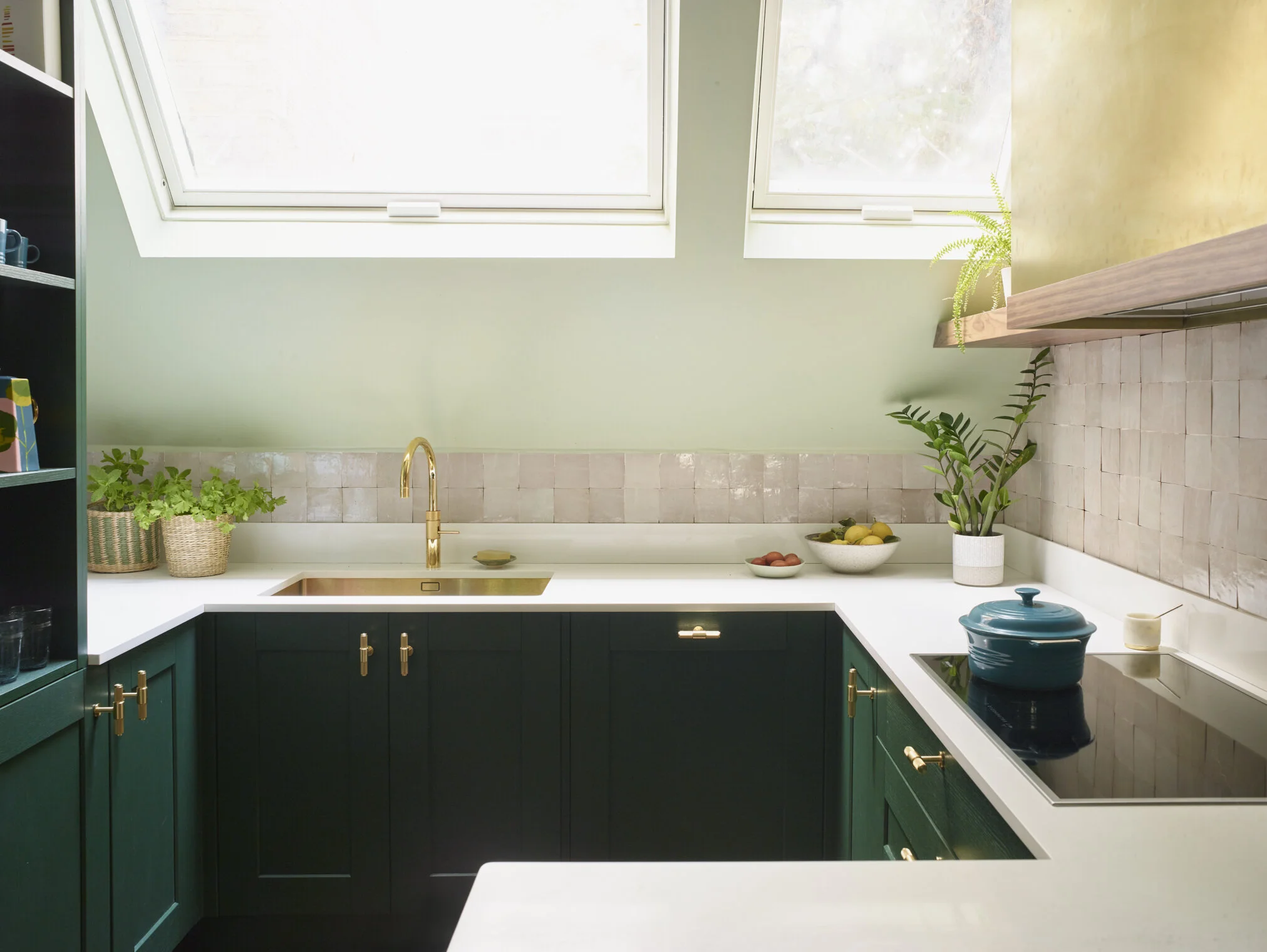
A Guide to Sustainable Home Renovation
Renovating a home offers a wonderful opportunity to improve both the way a space looks and how it performs. However, refurbishment projects can also generate significant waste and carbon emissions if sustainability is not considered from the outset.

Solid vs Engineered Wood Flooring: Choosing the Right Wooden Floor for Your Home
Wooden flooring is one of the most timeless and versatile materials used in interior design. Whether in a period property or a contemporary home, timber floors bring warmth, character and natural texture to a space.
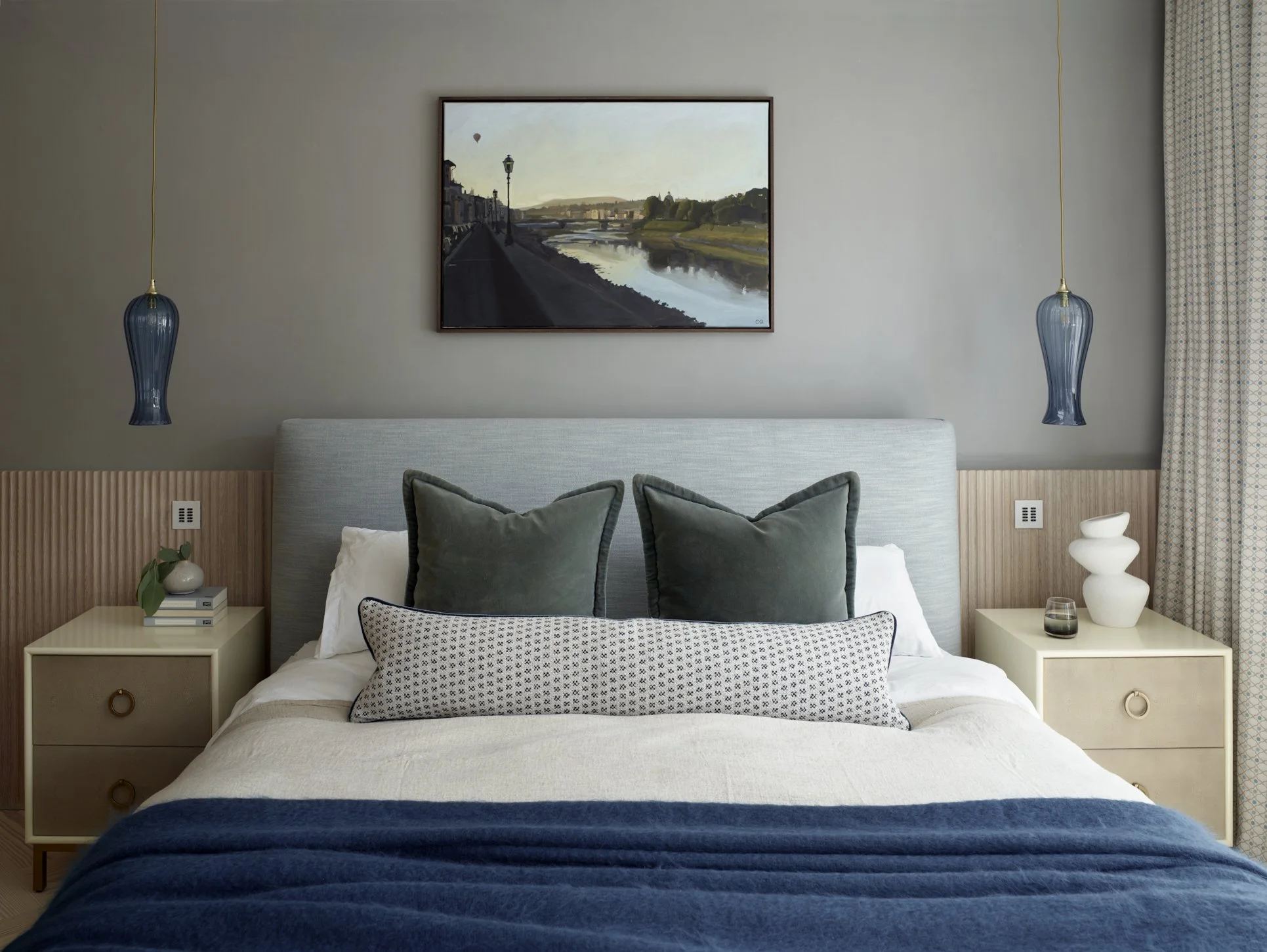
How to Hang Artwork in Your Home: 5 Interior Designer Tips
Artwork plays an important role in creating interiors that feel personal and complete. The right piece of art can bring colour, character and emotional depth to a space, often becoming the focal point of a room.

Interior Lighting: How to Get the Lighting Right in Your Home
Lighting is one of the most important elements of interior design, yet it is often overlooked until the later stages of a project. Thoughtful lighting can transform a space — shaping the mood of a room, highlighting architectural features and making everyday activities more comfortable.

Upcycling and Rehoming: A More Sustainable Approach to Renovating Your Home
In a culture that often prioritises fast trends and disposable products, upcycling offers a more thoughtful and sustainable approach to interior design. Rather than discarding furniture or materials that already exist, upcycling allows them to be restored, repurposed and enjoyed for many more years.
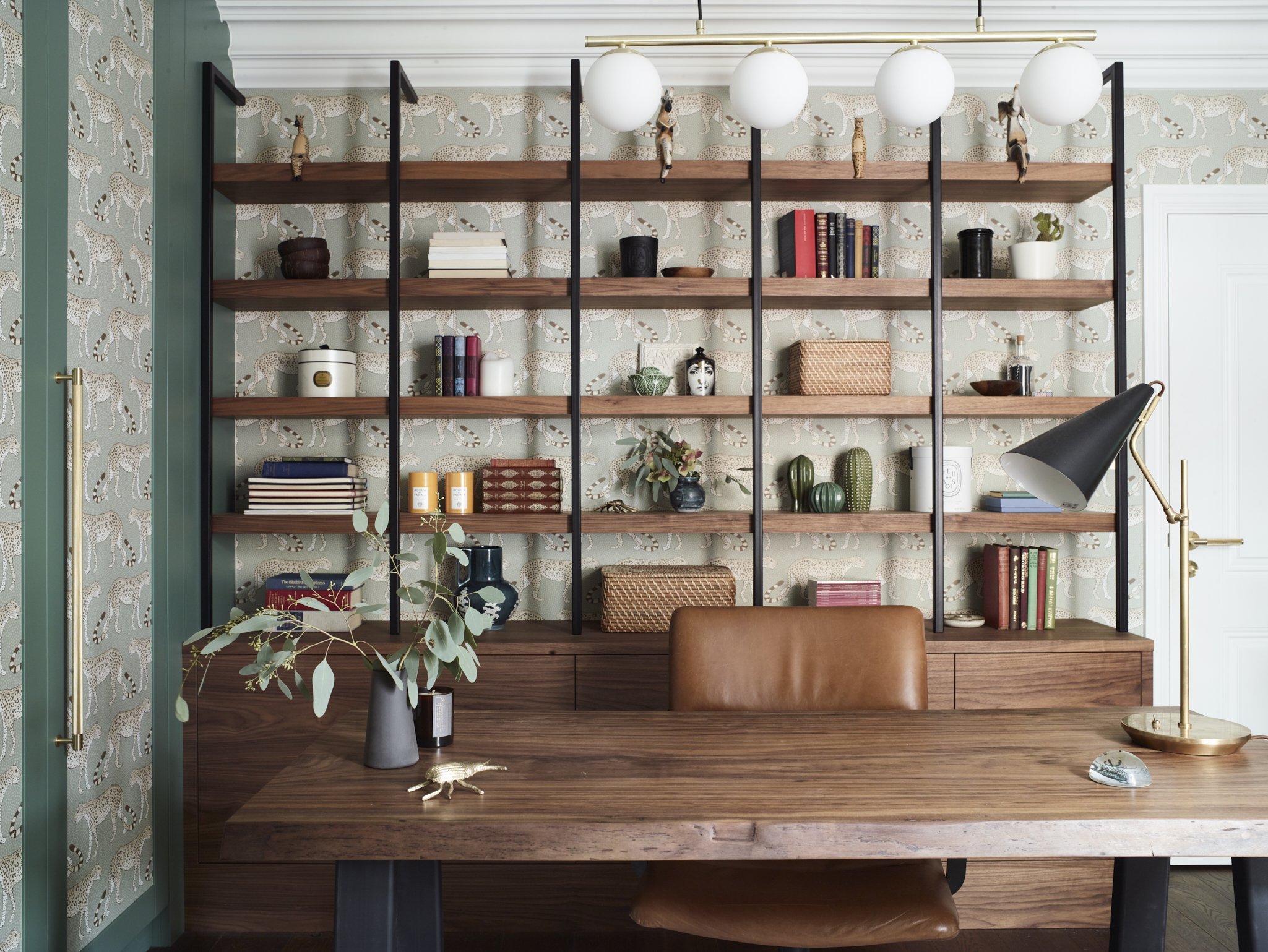
Biophilia: How to create nature inspired interiors
Biophilia describes the human tendency to seek connection with the natural world. In modern homes and urban environments, however, architecture and lifestyle can sometimes distance us from nature. This disconnect can contribute to feelings of stress, fatigue and reduced wellbeing.

Designing Your Forever Home: Interior Design That Lasts
Designing your “forever home” is a rare opportunity to create a space that truly reflects your lifestyle and priorities. When a house is intended for the long term, there’s less pressure to follow trends or worry about future resale value. Instead, the focus shifts to creating a home that feels personal, comfortable and enduring.

What Is Sustainable Interior Design? Tips & Common Myths
Sustainable interior design is a subject close to our hearts at Pia Design. Renovating a home inevitably has an environmental impact, but thoughtful choices can significantly reduce that footprint.