
Biophilia: How to create nature inspired interiors
Biophilia describes the human tendency to seek connection with the natural world. In modern homes and urban environments, however, architecture and lifestyle can sometimes distance us from nature. This disconnect can contribute to feelings of stress, fatigue and reduced wellbeing.
Biophilic interior design aims to restore that relationship by bringing elements of nature back into the home. Through natural materials, thoughtful use of light, plants and colours inspired by the landscape, nature-inspired interiors can create calmer, healthier living spaces.
As interior designers who focus on sustainable and thoughtful homes, biophilia plays an important role in our work at Pia Design. In this article we explore what biophilic design means and share practical ways to incorporate nature into your interiors.
What is biophilic interior design?
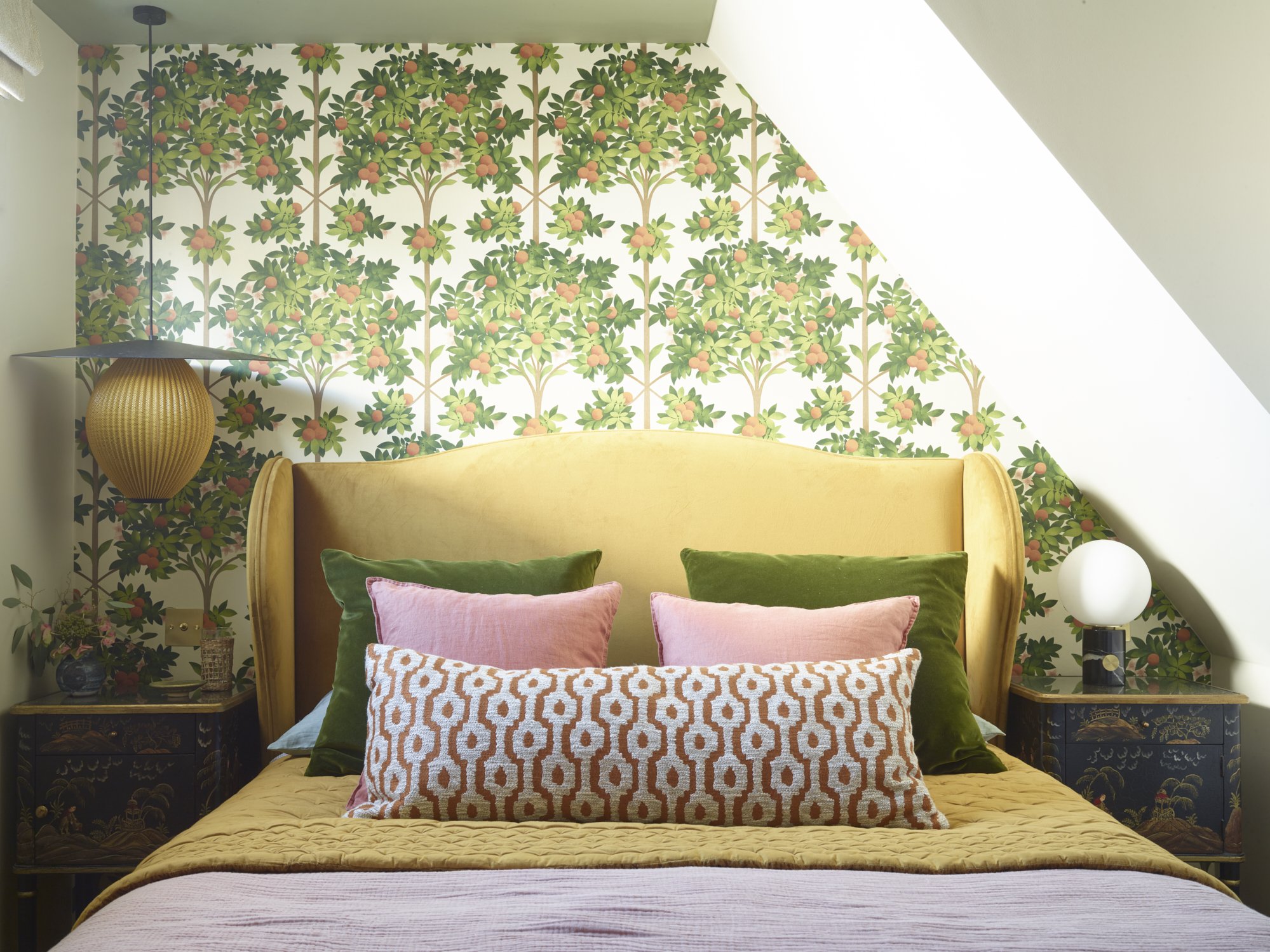
Biophilic interior design refers to creating interiors that strengthen our sensory connection to the natural world. This can be achieved through the use of natural materials, organic forms, plant life, daylight and colours inspired by nature.
For many designers, nature is the ultimate source of inspiration. The changing colours of leaves, reflections on water, cloud formations or the texture of stone can all influence interior schemes. Even small details gathered from nature — a feather, a shell or a piece of driftwood — can become the starting point for a design idea.
In practice, biophilic design often involves maximising natural light, introducing natural materials such as wood, cork, linen or clay, and choosing colour palettes inspired by the surrounding landscape. The aim is to create interiors that feel calm, grounded and connected to the outdoors.
The benefits of nature-inspired interiors
Research has shown that environments with strong connections to nature can positively influence both physical and psychological wellbeing. Studies into biophilic design suggest that natural environments can help reduce stress, improve concentration and enhance cognitive performance.
This is particularly relevant today, as many people spend more time working from home. Interiors that incorporate natural light, plants and organic materials can create a more balanced and restorative environment for everyday life.
In our increasingly fast-paced world, nature offers a reassuring sense of continuity and growth. As I wrote in a recent article on the subject:
“In our fast-paced, stressful and often uncertain world, nature is one thing that is always certain – if you nurture a plant, it will grow. Seeing nature grow is a reminder that life will go on and nature will find a way.”

Practical tips for nature inspired interior design
Creating a home inspired by nature is often less about dramatic gestures and more about thoughtful, gradual changes.
Ralph Waldo Emerson once wrote: “Adopt the pace of nature. Her secret is patience.” This idea applies beautifully to interior design inspired by nature. Observing how light moves through your home during the day, understanding the natural colours you are drawn to, and slowly building a scheme around these observations can lead to interiors that feel authentic and lasting.
Rather than following passing trends, focus on the colours, textures and materials that resonate with you personally.
Maximising Natural Light
Natural light is one of the most important elements of biophilic interior design. Wherever possible, interior layouts and window treatments should allow daylight to move freely through the home.
Even if a property does not have large south-facing windows, thoughtful design can maximise available light. At our Field House project, for example, we used sheer curtains mounted on hinged poles so they could be fully drawn away from the windows when required, allowing light to flood the room.
Simple choices like reflective surfaces, lighter colour palettes and carefully placed mirrors can also help amplify natural light.

Introducing plants into the home
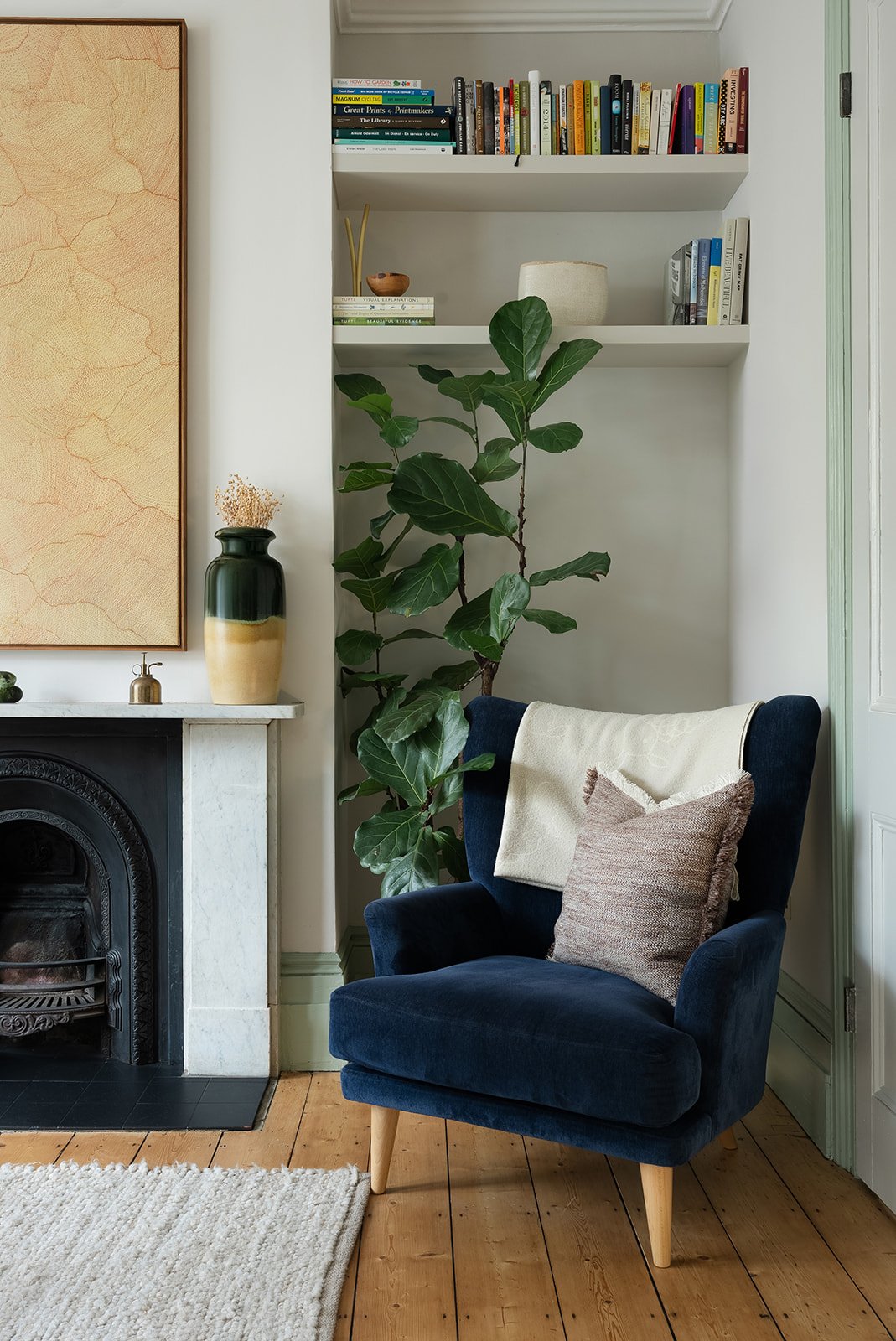
Indoor plants are one of the most effective ways to introduce nature into interior spaces. Plants bring colour, texture and life into a room while also improving air quality and humidity.
At our Brompton House project, we incorporated plants throughout the home — trailing plants on bookshelves, small cacti and succulents on mantels and a hardy cast-iron plant in a darker bedroom.
If you are new to indoor plants, start with resilient varieties such as aloe vera, snake plants or English ivy, which are known for their air-purifying qualities and ease of care.
Drawing inspiration from natural forms
Nature provides endless inspiration for patterns, shapes and textures in interior design. Botanical prints, leaf motifs and organic forms can all subtly reference the natural world.
In our Seville House project, for example, we incorporated botanical cushions, painted the kitchen cabinetry a rich verdant green and introduced a live-edge desk in the study. Wallpapers depicting birds, leopards, orange blossom trees and trailing vines added further references to nature throughout the home.
These details help create interiors that feel layered, expressive and deeply connected to the natural environment.esk in the study and used wallpapers depicting leopards, birds, orange blossom trees and floral vines.

Designing a home inspired by nature
Biophilic interior design encourages a slower, more mindful approach to creating interiors. By prioritising natural materials, thoughtful lighting and meaningful connections to the outdoors, homes can become calmer and more restorative places to live.
At Pia Design, we believe the most beautiful interiors are those that feel rooted in nature — spaces with what we like to call a green soul.
If you would like help creating a home inspired by nature, sustainable materials and thoughtful design, we would be delighted to discuss your project.