
Upcycling and Rehoming: A More Sustainable Approach to Renovating Your Home
In a culture that often prioritises fast trends and disposable products, upcycling offers a more thoughtful and sustainable approach to interior design. Rather than discarding furniture or materials that already exist, upcycling allows them to be restored, repurposed and enjoyed for many more years.
At Pia Design, we always begin a project by considering what our clients already own. Reusing and restoring existing pieces not only reduces waste, it often leads to interiors that feel richer, more personal and more layered.

What is upcycling?
Upcycling is the process of giving existing objects a new life through restoration, repair or creative adaptation.
In interior design this might include reupholstering antique furniture, refinishing wooden pieces, or incorporating reclaimed architectural elements such as fireplaces, doors or timber into a new design scheme.
Older furniture is often exceptionally well made, particularly pieces constructed from hardwoods such as walnut, mahogany or oak. With careful restoration and new upholstery, these items can remain beautiful and functional for decades to come.
Why upcycling is good for the environment
Home renovations can generate a significant amount of waste if materials and furnishings are simply removed and replaced.
Upcycling helps reduce this impact by extending the life of existing items. It prevents furniture from being sent to landfill while also avoiding the carbon emissions associated with manufacturing and transporting new products.
For sustainable interior designers, identifying opportunities to reuse and repurpose materials is one of the most effective ways to reduce the environmental footprint of a project.
Incorporating reclaimed and vintage pieces
Reclaimed materials and vintage furniture can add depth and character to an interior.
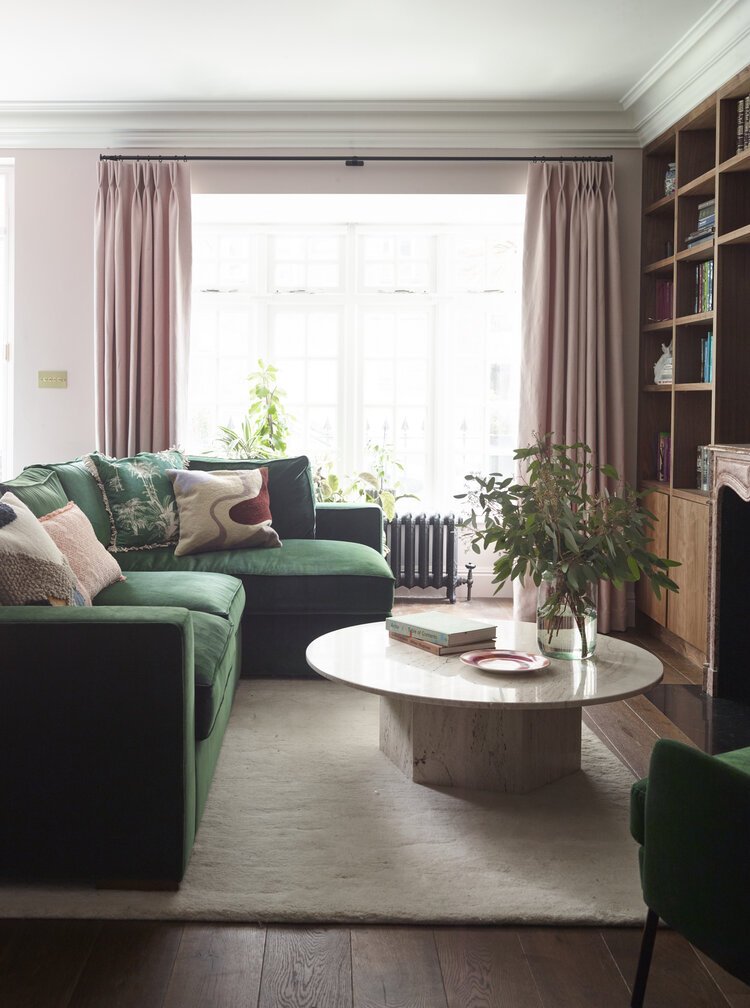
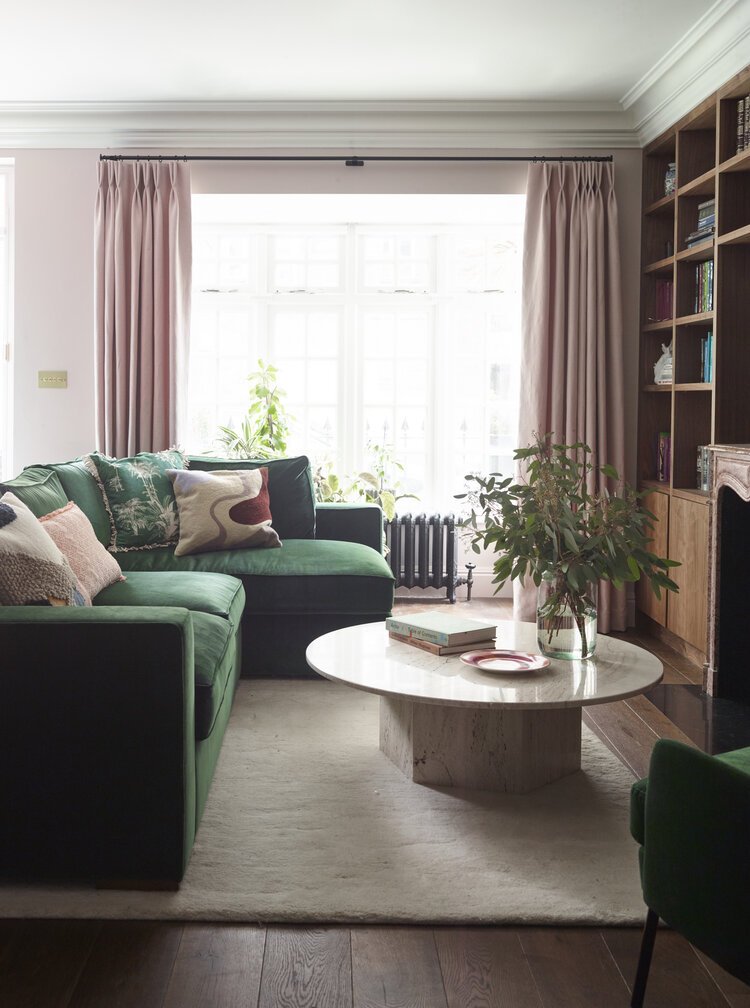
At our Seville House project in Holland Park, for example, we sourced a beautiful antique marble fireplace surround from a salvage yard. With only gentle restoration, it became a striking focal point within the room.
Salvage yards, antique markets and vintage marketplaces can all be wonderful sources of pieces that bring individuality and history into a home.
Reupholstering furniture
Reupholstery is one of the most effective ways to upcycle furniture.
A well-built frame can last for generations, while fabrics naturally wear over time. By replacing the upholstery and refreshing the padding, a chair or sofa can be given a completely new appearance while preserving the craftsmanship of the original piece.
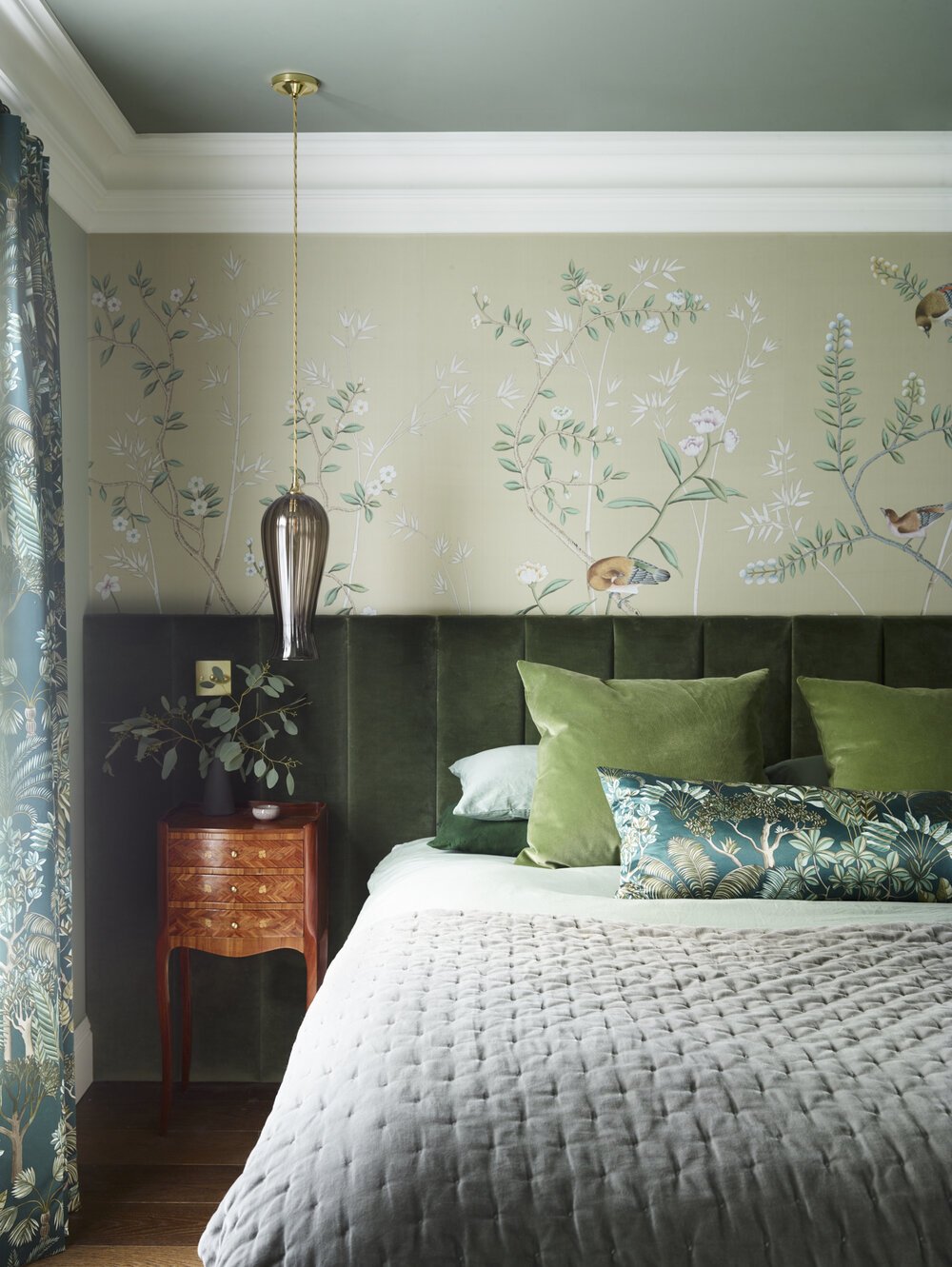
At our Thornfield House project, sustainability was a key priority for the clients. We reused almost every existing piece of furniture, reupholstering items in natural fabrics such as linen and wool so they felt fresh and integrated within the new interior scheme.

Rehoming furniture you no longer need
Even when we reuse as much as possible within a project, there are sometimes pieces that no longer suit the new layout of the home.
Rather than sending these items to landfill, we always encourage clients to rehome them wherever possible. Many charities will collect furniture free of charge and redistribute it to families in need.
Some organisations that offer furniture collection include:
This simple step can make a significant difference to the environmental impact of a renovation.
Rehoming kitchens and fittings
Kitchens are one of the most common elements of a renovation that end up being discarded, even when they are still in good condition.
If you are replacing a kitchen that is still usable, there are specialist companies that can carefully remove it and resell it for reuse in another home. In some cases, they may even offer payment depending on the condition, brand and age of the kitchen.
Two well-known companies in the UK offering this service are:
Rehome – specialists in removing and reselling kitchens and bathrooms
The Used Kitchen Company – a marketplace for pre-owned kitchens that are carefully dismantled and reinstalled elsewhere
Exploring these options can significantly reduce waste during a renovation while ensuring that perfectly usable materials continue to have a life beyond the project.
Designing interiors with longevity in mind
Upcycling and rehoming are small but meaningful ways to reduce the environmental impact of a renovation.
By restoring furniture, incorporating reclaimed materials and making thoughtful decisions about what we already own, it is possible to create interiors that feel both sustainable and deeply personal.
At Pia Design, we believe the most beautiful homes are those that evolve over time — spaces where craftsmanship, history and thoughtful design come together.
If you are planning a renovation and would like help incorporating existing furniture into a new interior scheme, we would be delighted to help.